


























Supported by:

Organised by:

International Conference On

ESG Transversality for Enhancing Strategic Coherence by adopting Regulatory Framework & Policy Actions

Our Collaborating Partners

Platinum Partners

Diamond Partners

Gold Partners

Silver Partners

Our Institutional Partners

Our Knowledge Partners

image001 (1)

Themes of International Conference 2027

Water embedded ESG for Resilient Economies and Communities

The Economics of Climate Risk and the Financing of Resilience

Addressing Scope 3 Emissions & Net Zero

Multi-stakeholder Partnerships as the Delivery Architecture for ESG Implementation

About Conclave

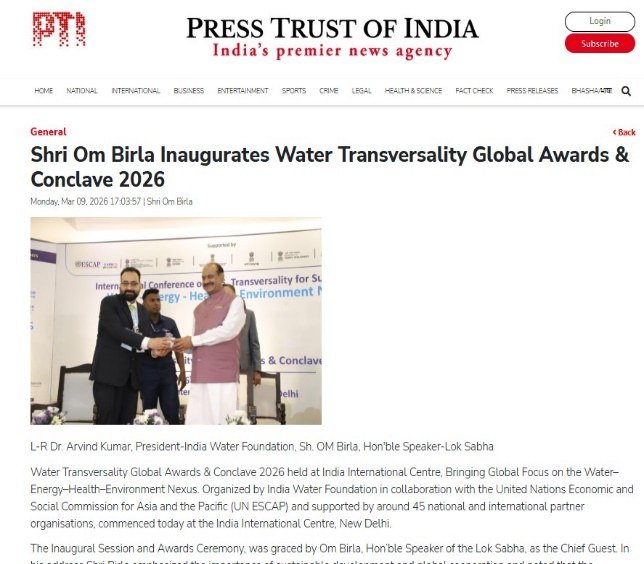
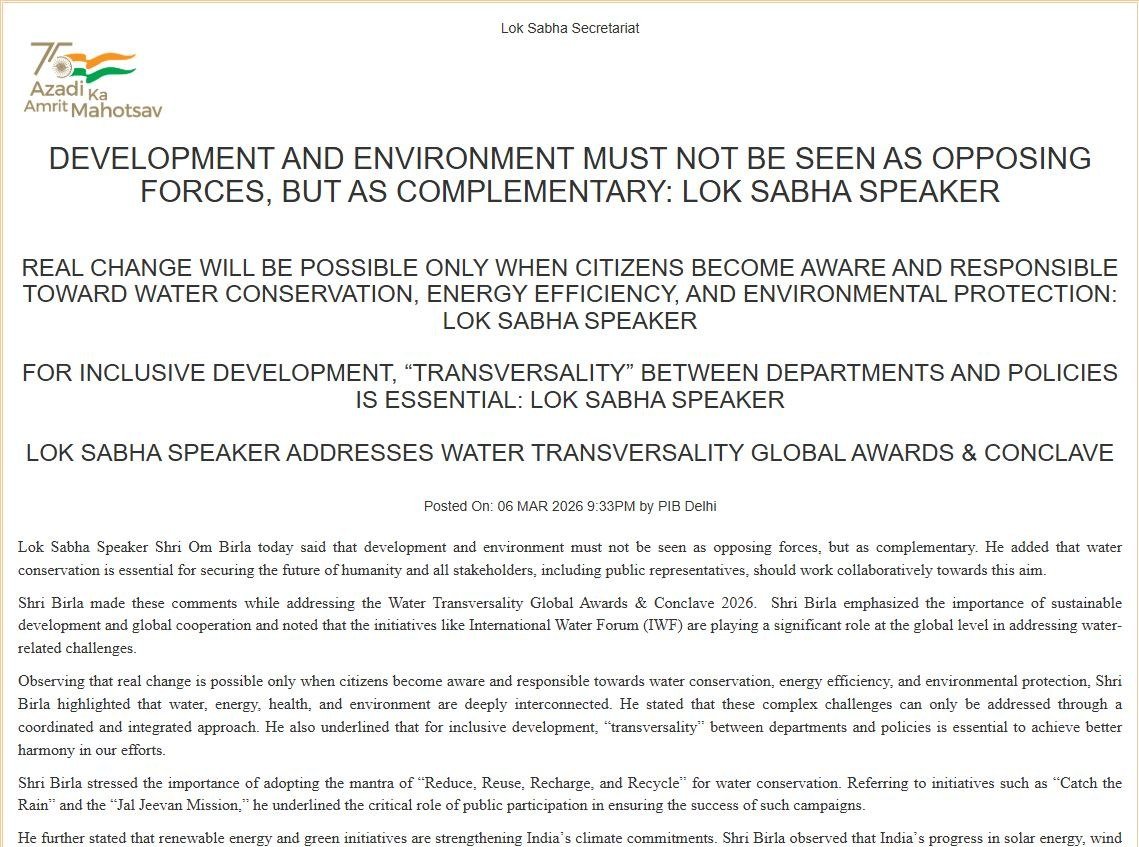
The previous conference (2026 edition) examined the water–energy–health–environment nexus through an ESG lens. It emphasized that water, energy and environmental systems are deeply interdependent, with clear implications for sustainability and economic development. For example, water is essential for power generation and fuel production, while energy is needed to treat and distribute water – so shortages or disruptions in one system cascade through the others. Experts cited data showing that one‑tenth of global power generation operates in high water-stress areas, and nearly half the world now faces intermittent water scarcity. Such risks compounded by climate change and rapid urbanization require “transversality”: an approach based on integrated thinking and coordinated action rather than fragmented sector-by-sector fixes.

“ESG transversality” was defined as a practical framework to link Environmental, Social and Governance factors across all sectors. Rather than treating ESG as a compliance checkbox, speakers argued it must reshape decision-making so that resilience become parts of a unified risk-and-opportunity framework. In practice, this means aligning Governments and Industries with common goals.

Stakeholders from government, finance, industry, academia and civil society exchanged insights. Senior officials and UN representatives stressed that ESG is increasingly embedded in regulation and capital markets: for instance, the EU’s Carbon Border Adjustment Mechanism is already compelling non-EU producers to meet stricter carbon and disclosure standards. In India, too, regulators have moved ESG toward hard rules. The Securities & Exchange Board’s Business Responsibility & Sustainability Reporting (BRSR) framework now requires hundreds of listed companies to report on measurable ESG metrics – water use, carbon emissions, worker safety and more – rather than vague narratives. Such regulatory tools were cited as evidence that “ESG is no longer voluntary” but part of mainstream governance.

Lessons learned: The nexus dialogue made clear that coherent outcomes demand more than awareness-raising. While participants praised pioneering schemes and cross‑sector dialogues, they noted a need for policy coherence: ensuring that climate, energy, health and economic policies reinforce (not contradict) each other. In OECD terms, governments must build the capacity “to design, implement and monitor coherent and integrated policies”. The consensus was that transversality requires embedding ESG into formal frameworks. Thus, the first conference planted conceptual seeds – but stakeholders called for concrete follow-up: dedicated strategies, regulatory roadmaps and delivery platforms to translate the nexus vision into tangible impact.

About Organiser

India Water Foundation, established in 2008 as a non-profit civil society & think tank, is engaged in enhancing public awareness about Sustainable Development Goals (SDGs) and major components of the Paris Agreement on Climate Change, in Asia-Pacific region in general and India in particular.

It also emphasizes on familiarizing the people regarding the vital role water, energy and environment play in human lives, their impact on health, economic growth, livelihoods of the people and calamities that wreak havoc due to non-judicious harnessing of these natural resources.

Why Should You Attend?

This conference serves as a premier platform to gain actionable insights into the critical ESG Transversality for lasting impact. Witness first-hand the pioneering cross-industry approaches driving carbon neutrality, and join a dynamic forum where visionary policymakers, industry pioneers, and sustainability champions converge to shape a more sustainable future.

This is your opportunity to be at the forefront of transformative change and contribute to the stewardship of our planet’s most precious resources.

Who Can Attend?

Ministers

UN

International Organisations

Govt. Officials

Global CEOs

Business Leaders

Industry

Donors

Civil Societies

Think Tanks

Academia

Media

Expected Outcomes

  • Adoption of a Strategic Roadmap for implementation of ESG Transversality: The conference is expected to develop a consensus-driven roadmap that translates the concept of ESG Transversality into actionable policy and institutional frameworks.

  • Framework for Multi-Stakeholder Partnerships and Delivery Architecture: The conference will encourage the establishment of cross-sectoral delivery platforms capable of mobilising finance, technology, knowledge, and innovation while ensuring accountability, transparency, and measurable impact.

  • Recommendations for Strengthening ESG Regulatory and Disclosure Frameworks: The deliberations are expected to generate policy recommendations for enhancing ESG governance through harmonised regulatory frameworks, mandatory disclosure standards, sector-specific ESG benchmarks, and integrated reporting mechanisms.

  • Action Agenda for Climate-Resilient Investment and Sustainable Finance: The conference aims to produce recommendations on scaling blended finance, green and resilience bonds, ESG-linked financing instruments, climate risk disclosure, and incentives that encourage businesses and financial institutions to integrate long-term environmental and social risks into investment decisions while supporting achievement of the Sustainable Development Goals.

  • Establishment of the ESG Transversality Global Collaboration Platform: The platform will facilitate international cooperation, encourage replication of best practices, promote research and innovation, support periodic assessment of ESG implementation, and foster sustained collaboration among policymakers, industry leaders, researchers, development agencies, and civil society to advance strategic coherence across sectors.

3rd Edition

ESG Transversality Global Awards 2027

The ESG Transversality Global Awards recognise organisations and individuals turning Environmental, Social and Governance commitments into measurable practice across sectors.

Structured around the three ESG pillars and a leadership tier, the 2027 awards look for work that closes the gap between stated ambition and verifiable outcome: coherent governance, credible disclosure, and results that stand up to scrutiny.

Beyond honouring excellence, the awards build a shared evidence base that policymakers, industry and civil society can draw on to accelerate what is already working.

Award Categories 2027

Key Highlights from Previous Edition

Collaborative & Knowledge Partners from Previous Edition

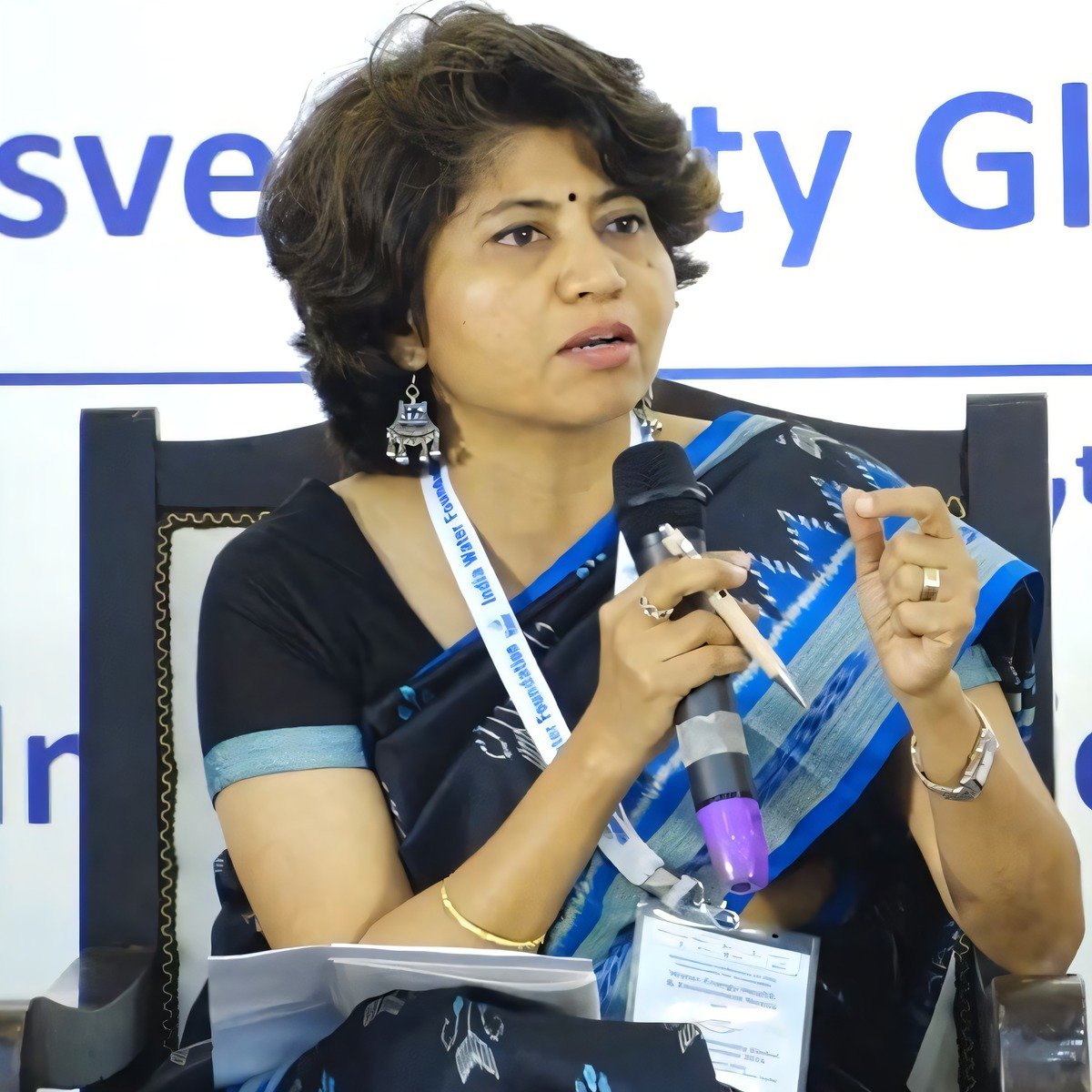
Speakers from Previous Edition

Dr. Arvind Kumar — President, India Water Foundation

Dr. Arvind Kumar

President, India Water Foundation
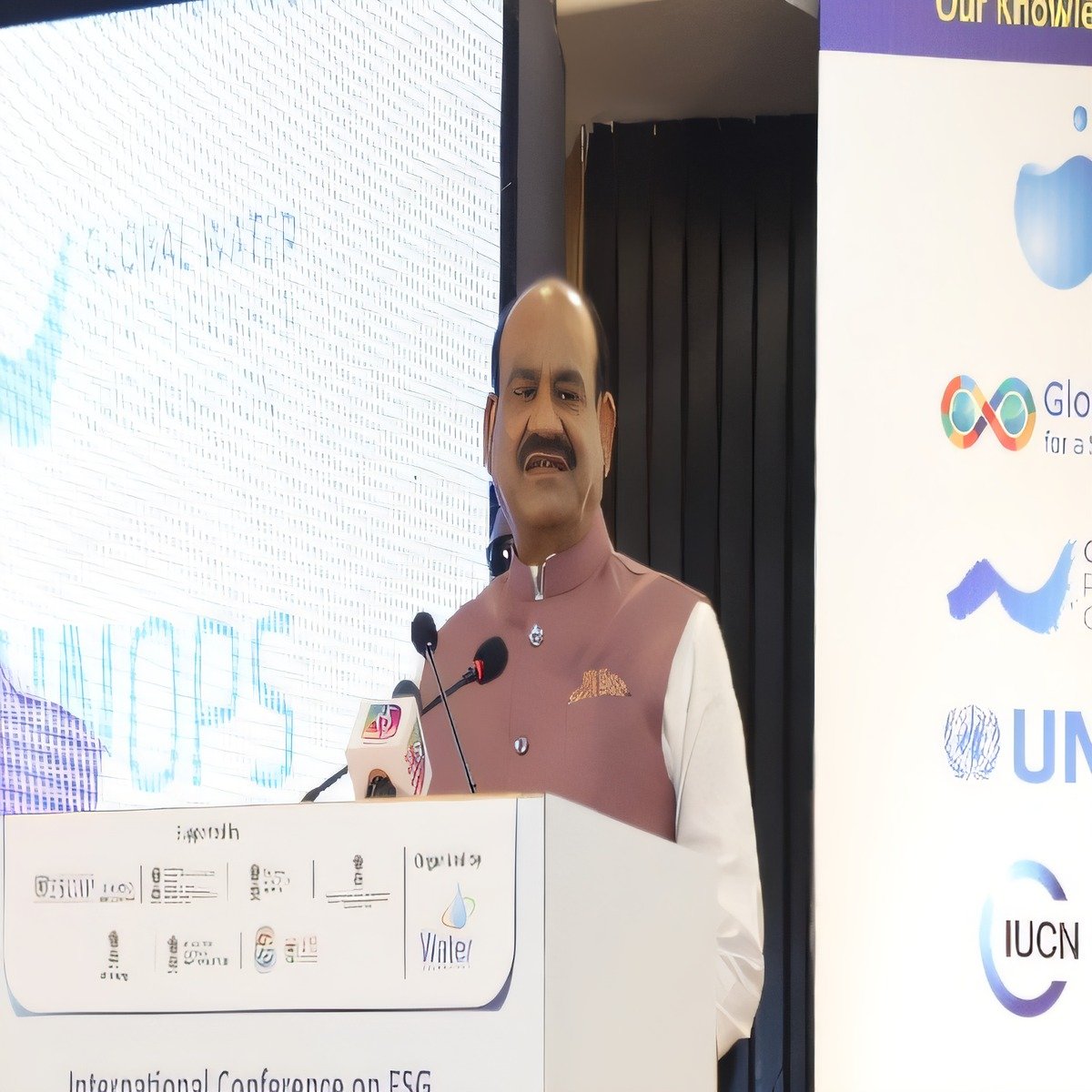
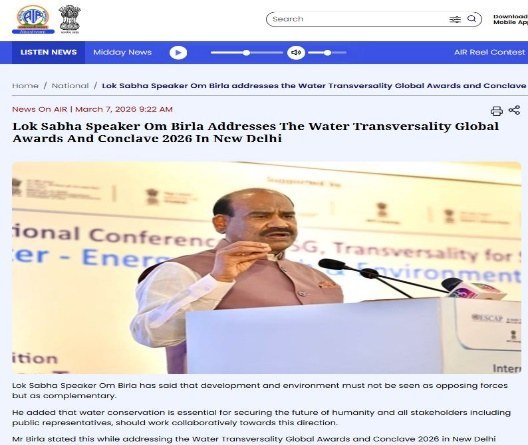
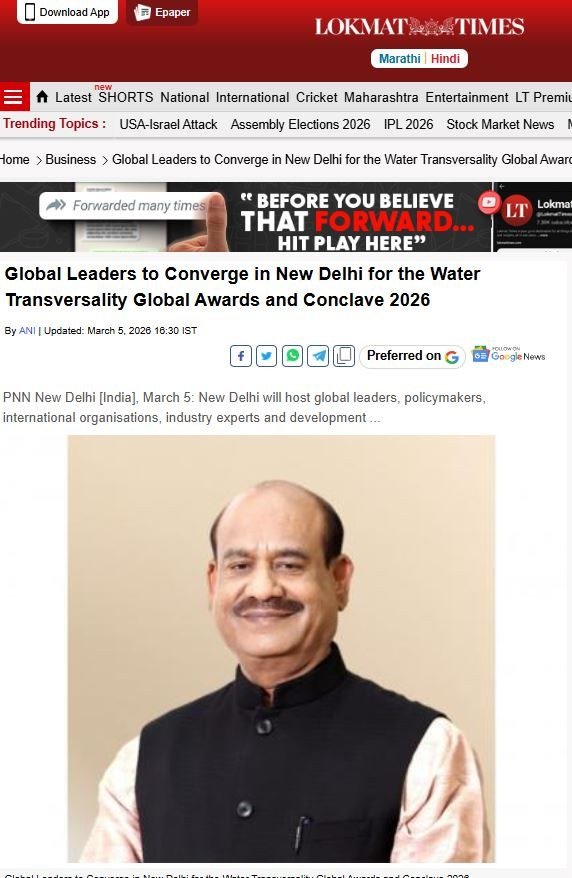
Shri Om Birla — Chief Guest; Hon'ble Speaker, Lok Sabha
Shri Om Birla

Chief Guest; Hon'ble Speaker, Lok Sabha

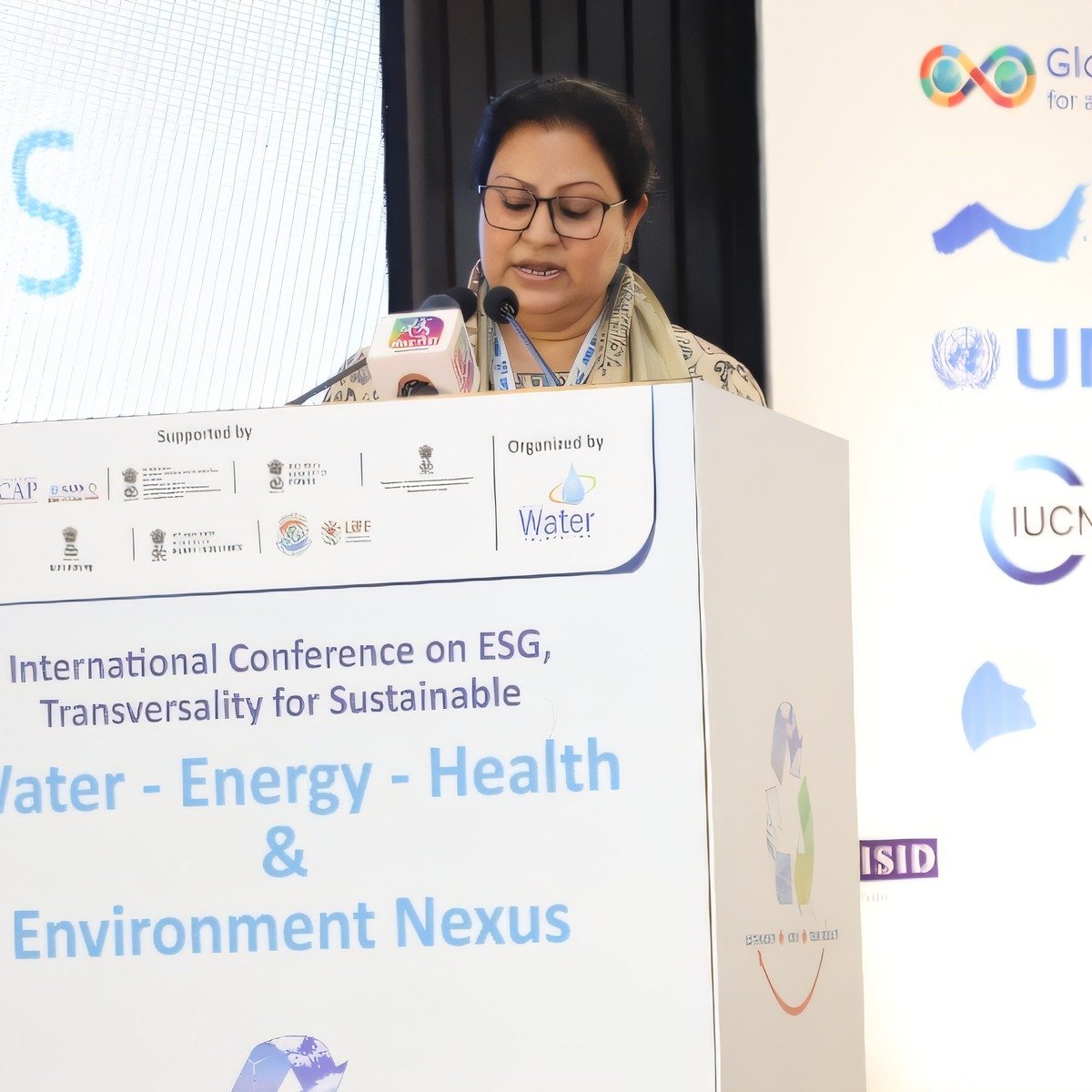
Ms. Shweta Tyagi — Chief Functionary, India Water Foundation

Ms. Shweta Tyagi

Chief Functionary, India Water Foundation

H.H. Shri Sadhguru Jaggi Vasudev — Spiritual Head, Isha Foundation

H.H. Shri Sadhguru Jaggi Vasudev

Spiritual Head, Isha Foundation
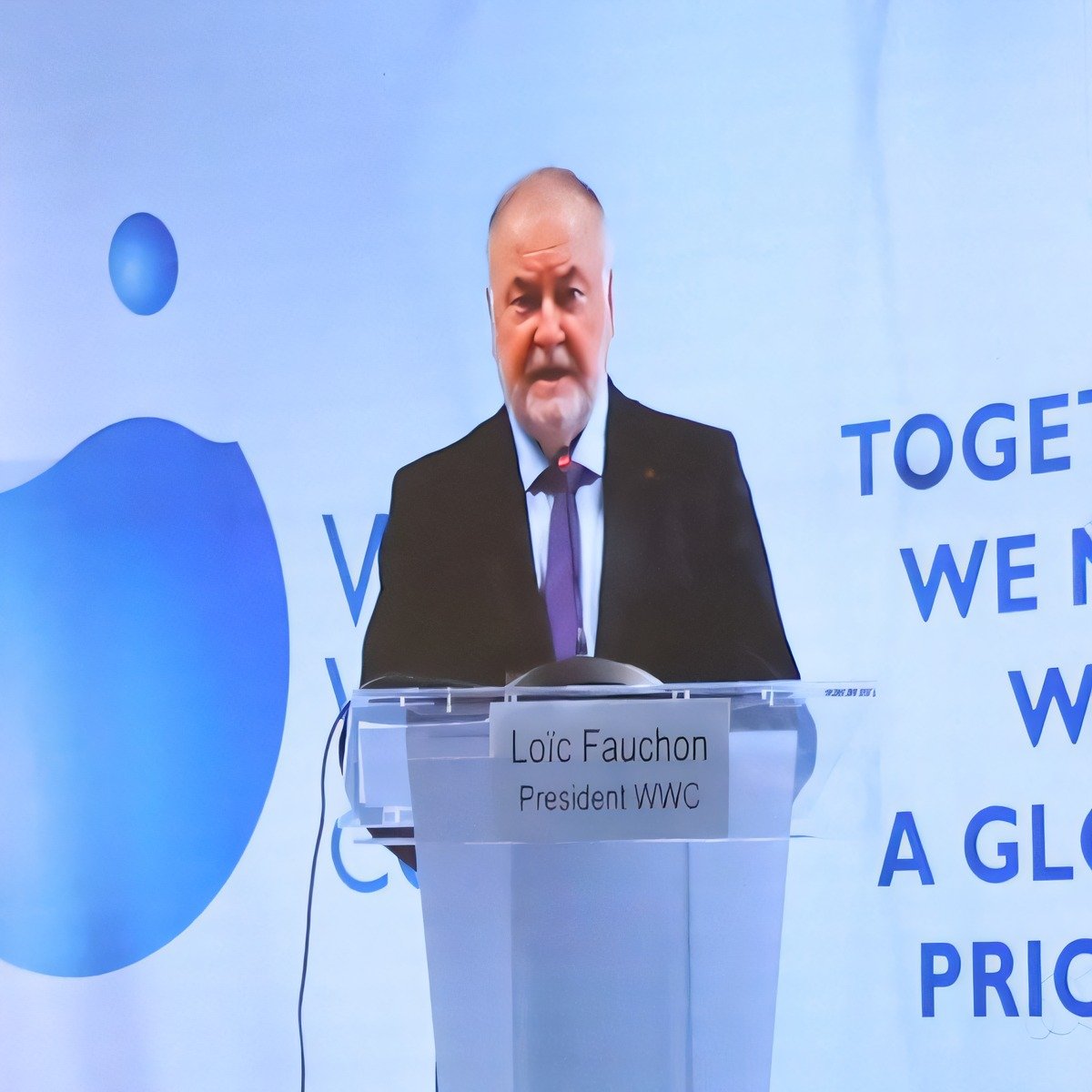
Mr. Loïc Fauchon — President, World Water Council

Mr. Loïc Fauchon

President, World Water Council

Ms. Ulrike Kelm — Deputy Executive Director, International Water Resources Association
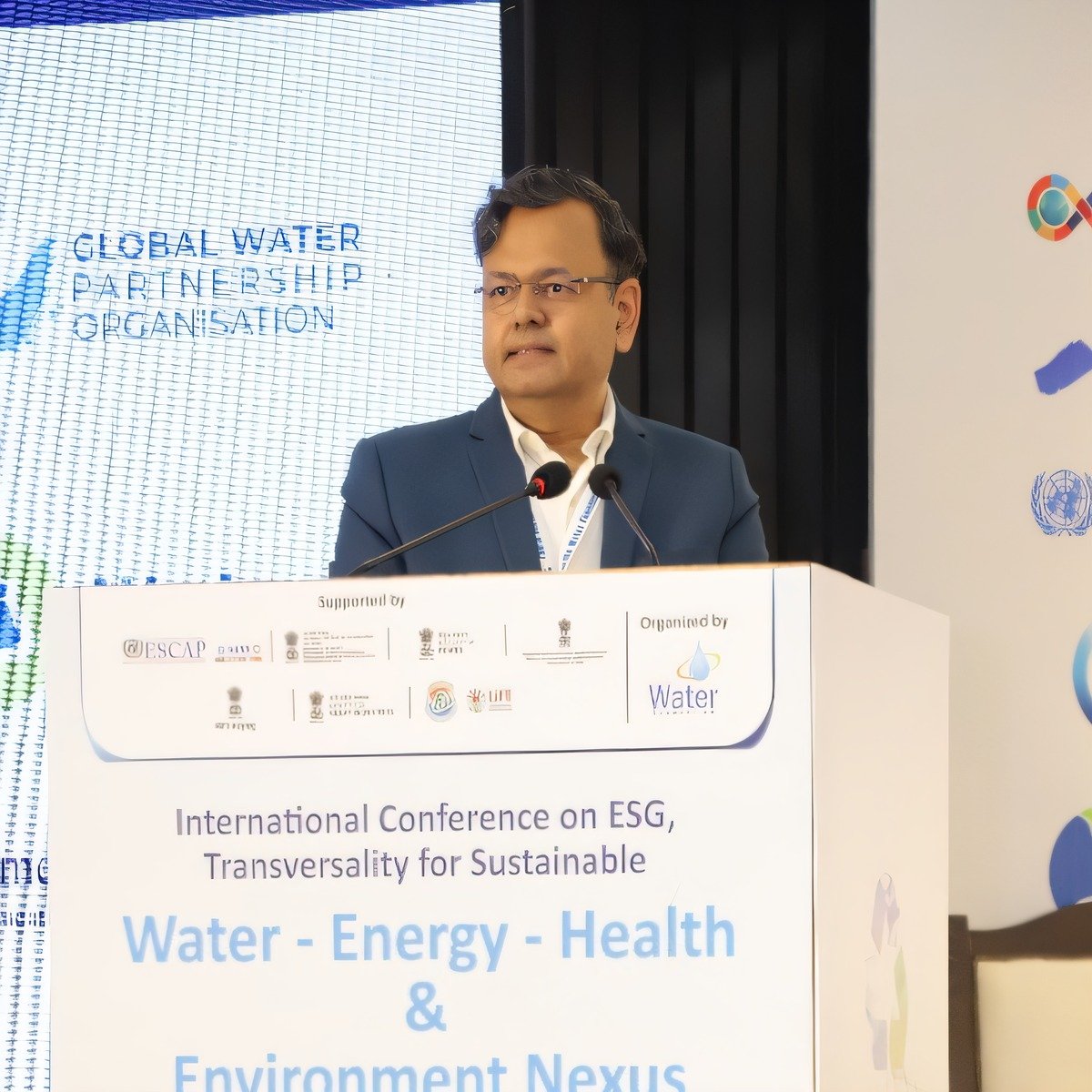
Ms. Ulrike Kelm

Deputy Executive Director, International Water Resources Association

Shri Yugal Kishore Joshi — Programme Director, NITI Aayog, Government of India
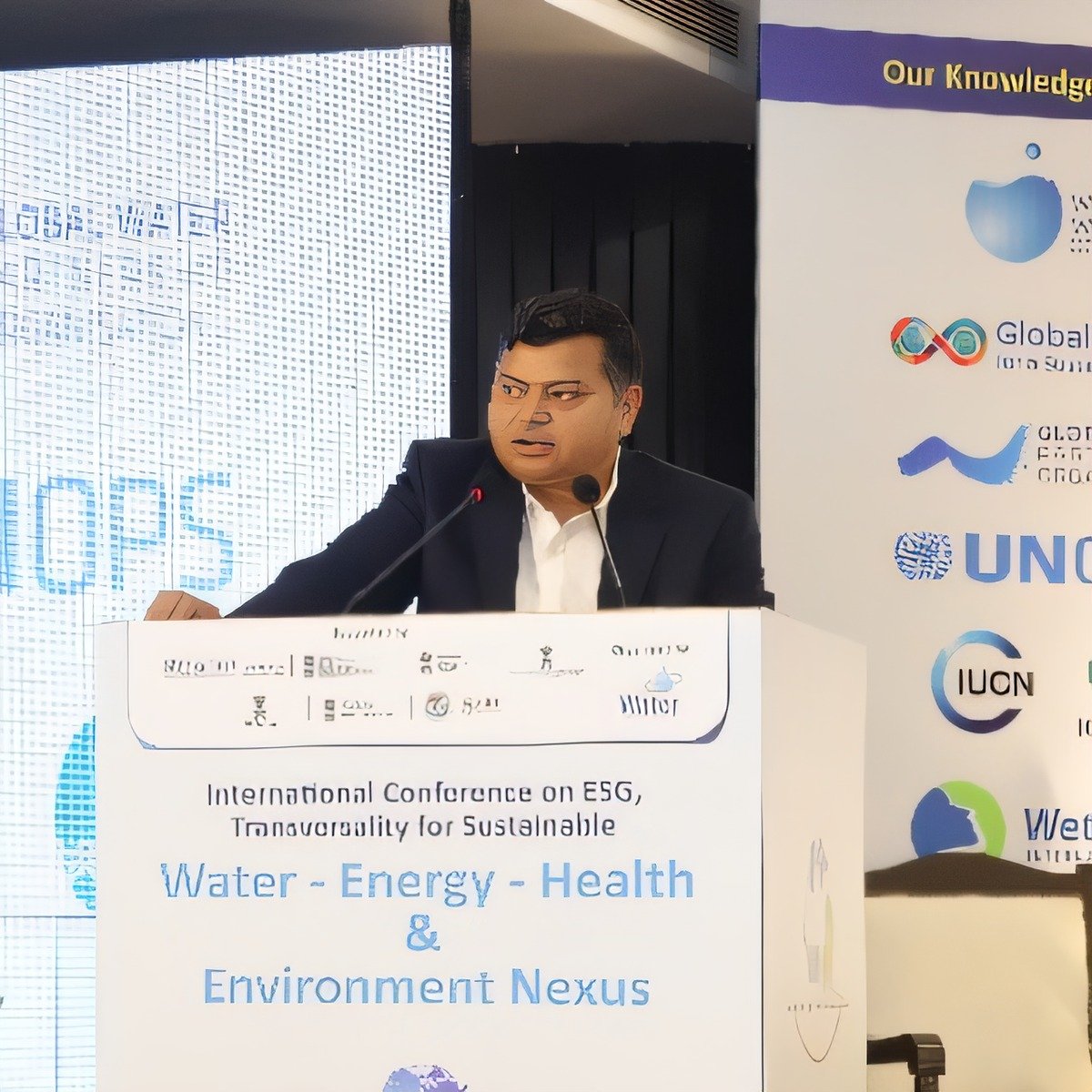
Shri Yugal Kishore Joshi

Programme Director, NITI Aayog, Government of India

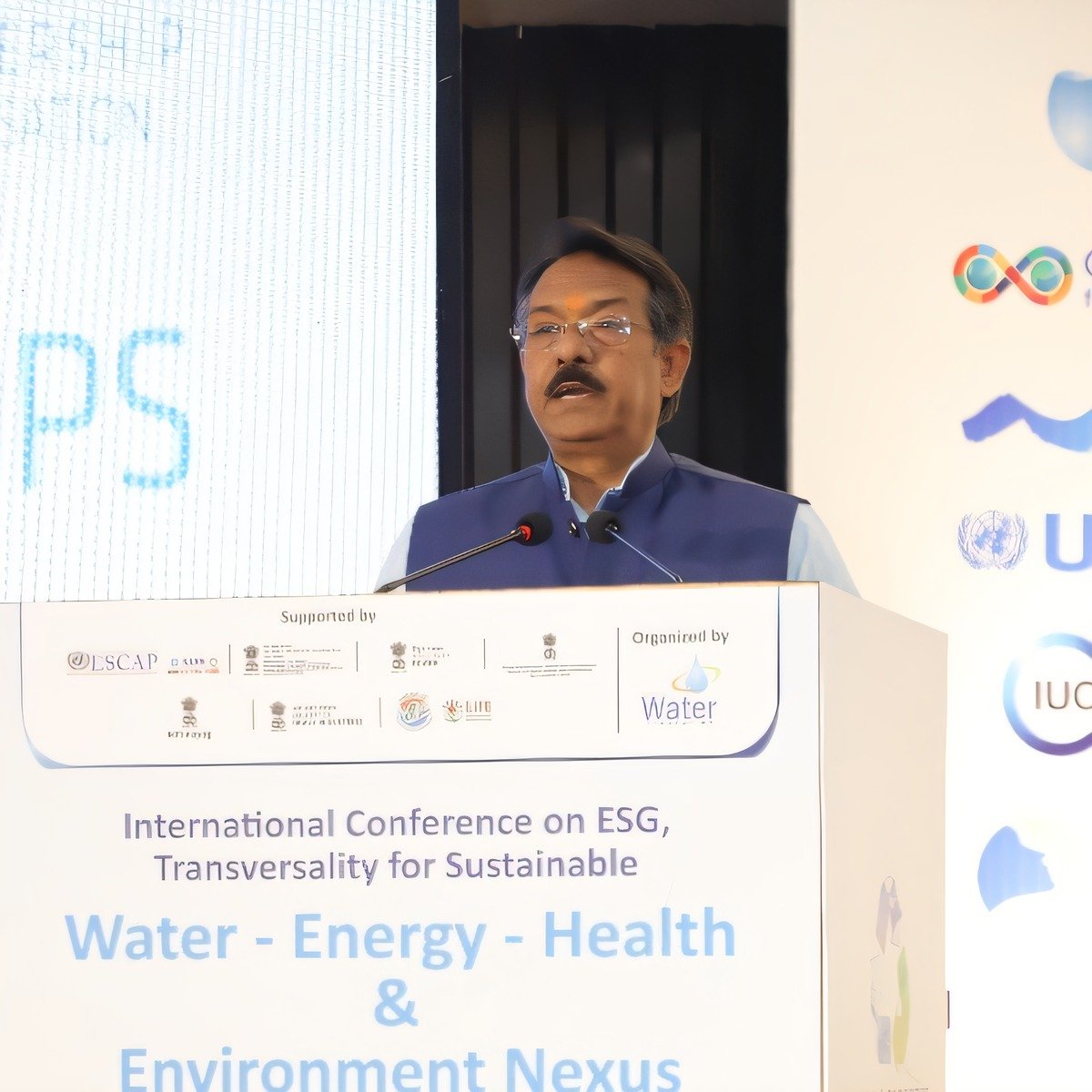
Dr. Raj Bhushan Chaudhary — Hon'ble Minister of State, Ministry of Jal Shakti, Government of India

Dr. Raj Bhushan Chaudhary

Hon'ble Minister of State, Ministry of Jal Shakti, Government of India
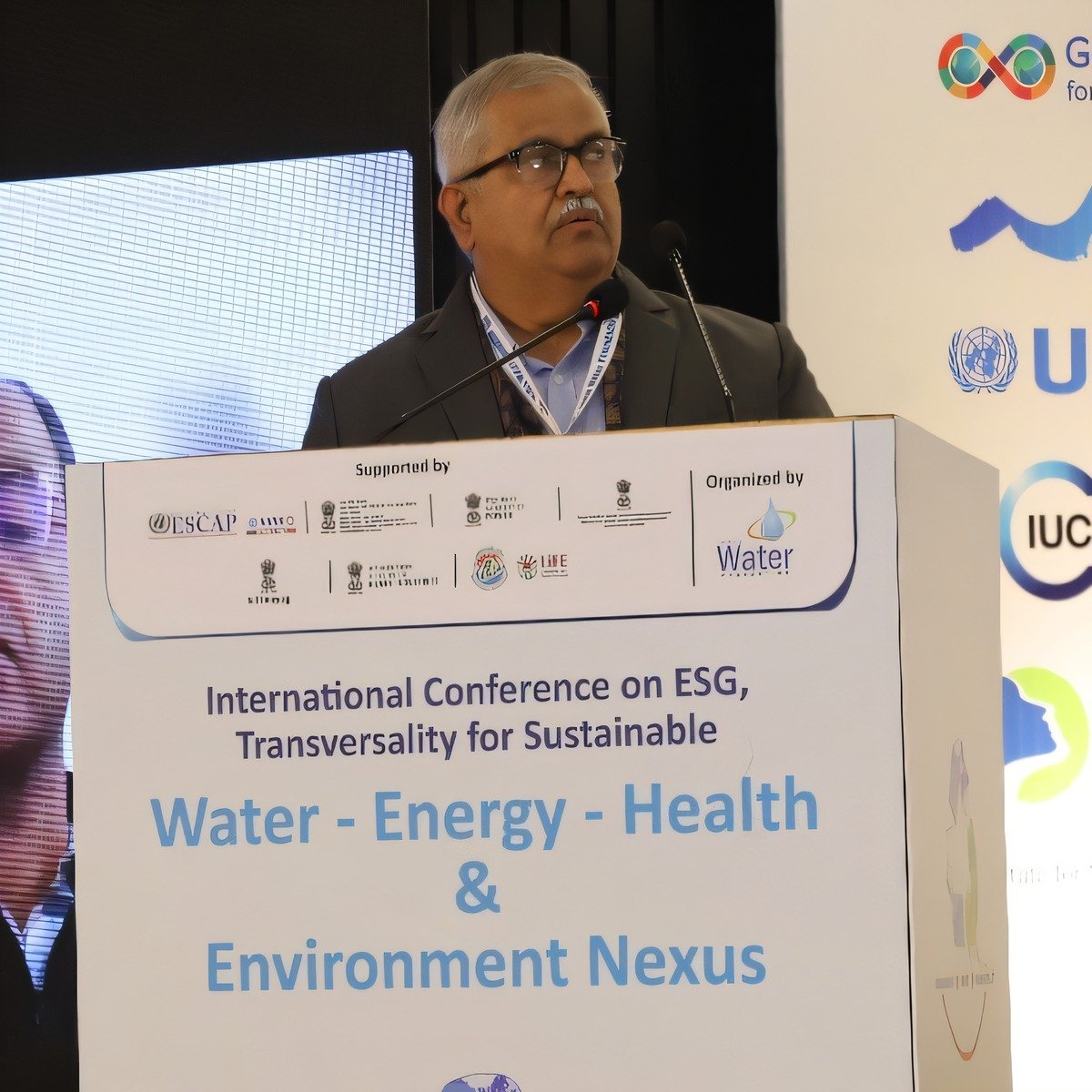
Shri Harsh Malhotra — Hon'ble Minister of State, Ministry of Corporate Affairs & Ministry of Road Transport and Highways

Shri Harsh Malhotra

Hon'ble Minister of State, Ministry of Corporate Affairs & Ministry of Road Transport and Highways
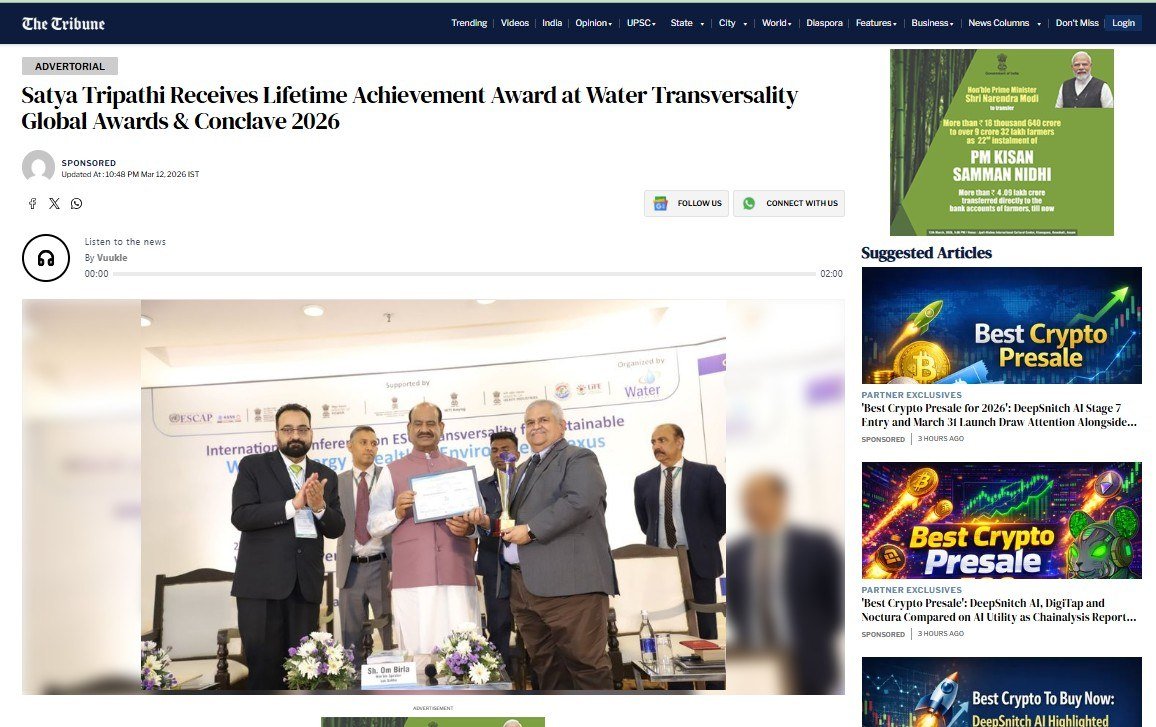
Dr. Satya Tripathi — Secretary General, Global Alliance for a Sustainable Planet
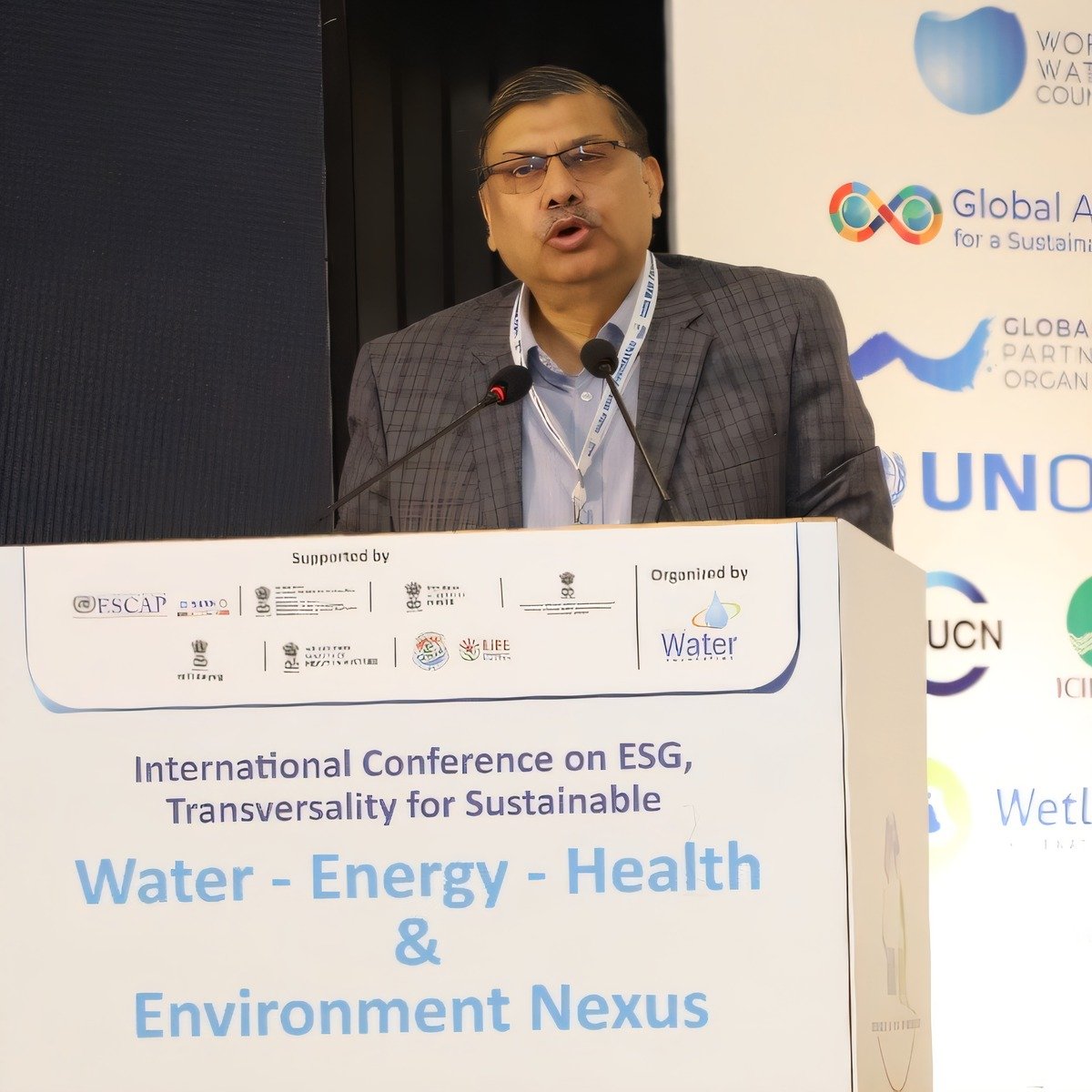
Dr. Satya Tripathi

Secretary General, Global Alliance for a Sustainable Planet

Dr. Nagesh Kumar — Director, Institute for Studies in Industrial Development
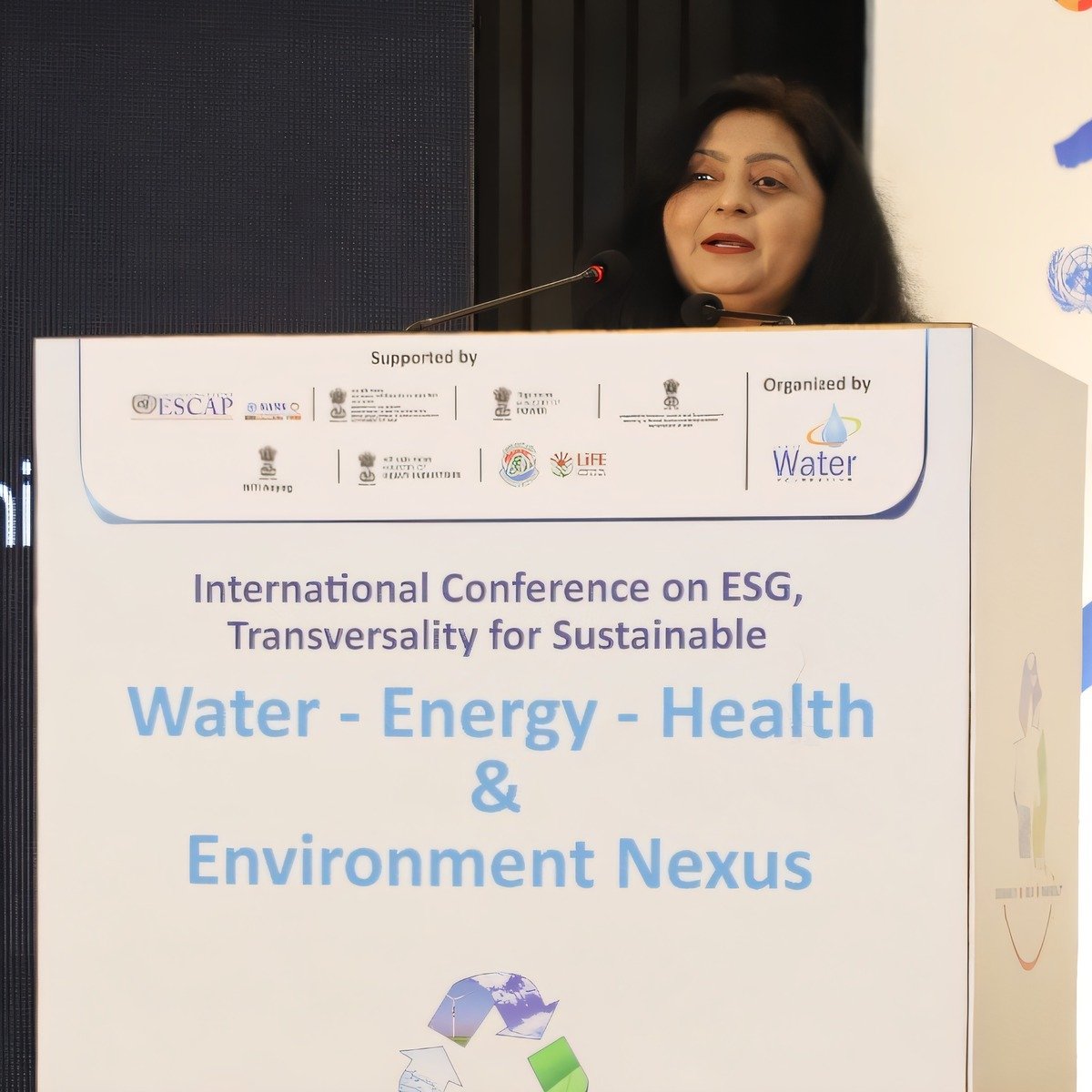
Dr. Nagesh Kumar

Director, Institute for Studies in Industrial Development

Ms. Bharti Birla — Enterprise Development Specialist, International Labour Organization
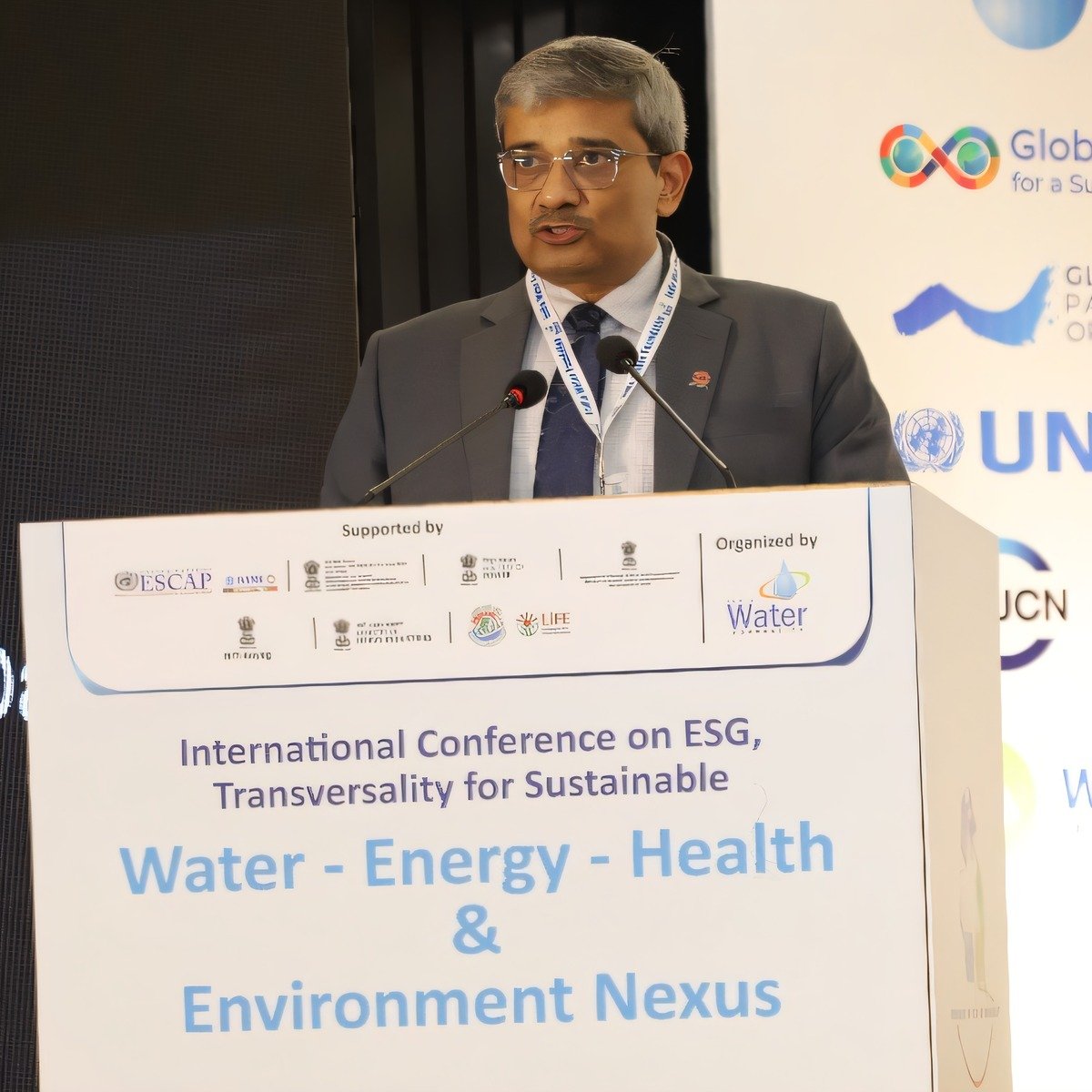
Ms. Bharti Birla

Enterprise Development Specialist, International Labour Organization

Mr. Saumitra Srivastava — Director (Marketing), Indian Oil Corporation Ltd.
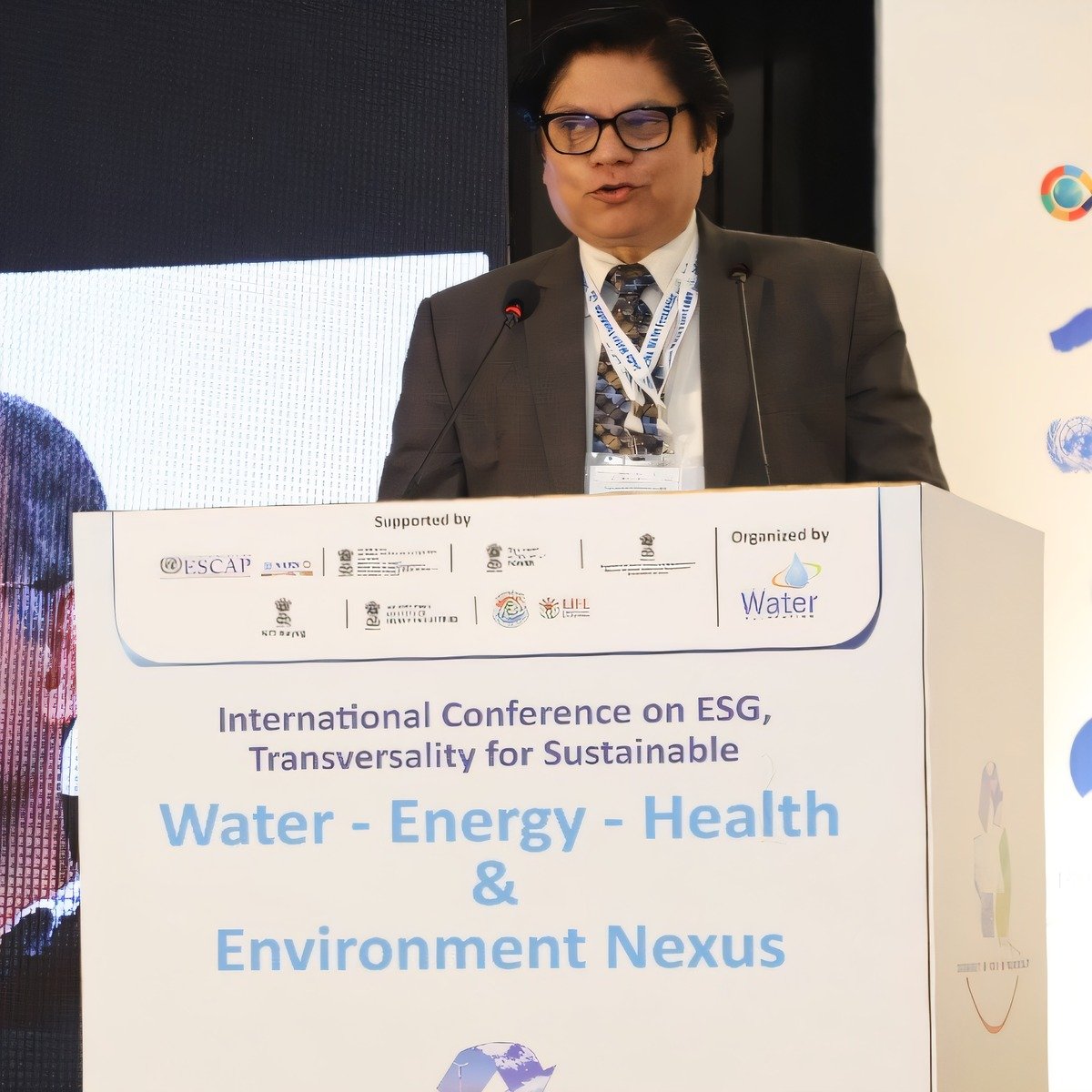
Mr. Saumitra Srivastava

Director (Marketing), Indian Oil Corporation Ltd.

Mr. Pankaj Sharma — Senior Consultant, India Water Foundation & Director – Green Wattage
Mr. Pankaj Sharma

Senior Consultant, India Water Foundation & Director – Green Wattage

Dr. Priyadarshi Das — Associate Professor, RIS

Dr. Priyadarshi Das

Associate Professor, RIS
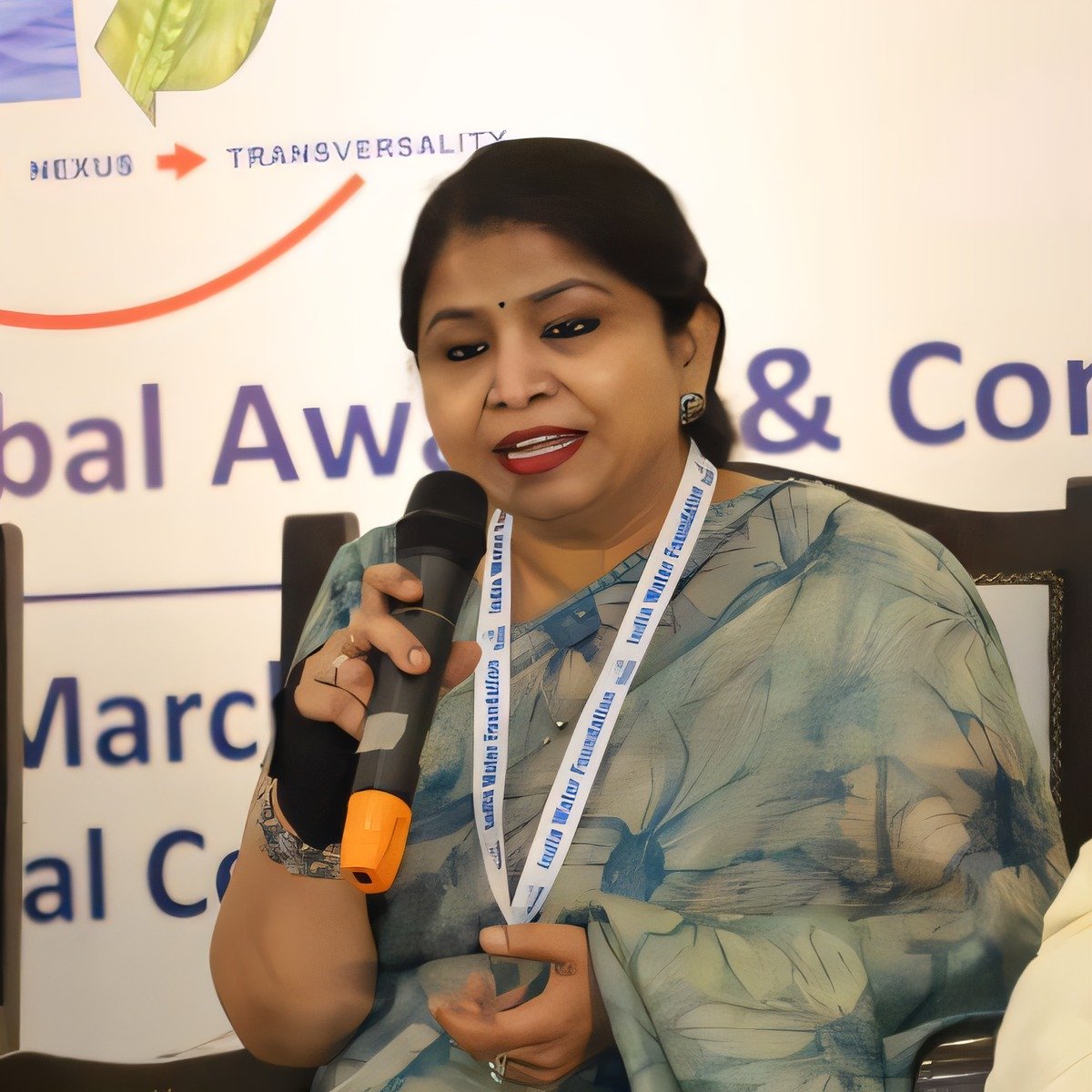
Ms. Sarika Gosain — Partner & Leader – ESG & Sustainability, Pierag Consulting
Ms. Sarika Gosain

Partner & Leader – ESG & Sustainability, Pierag Consulting

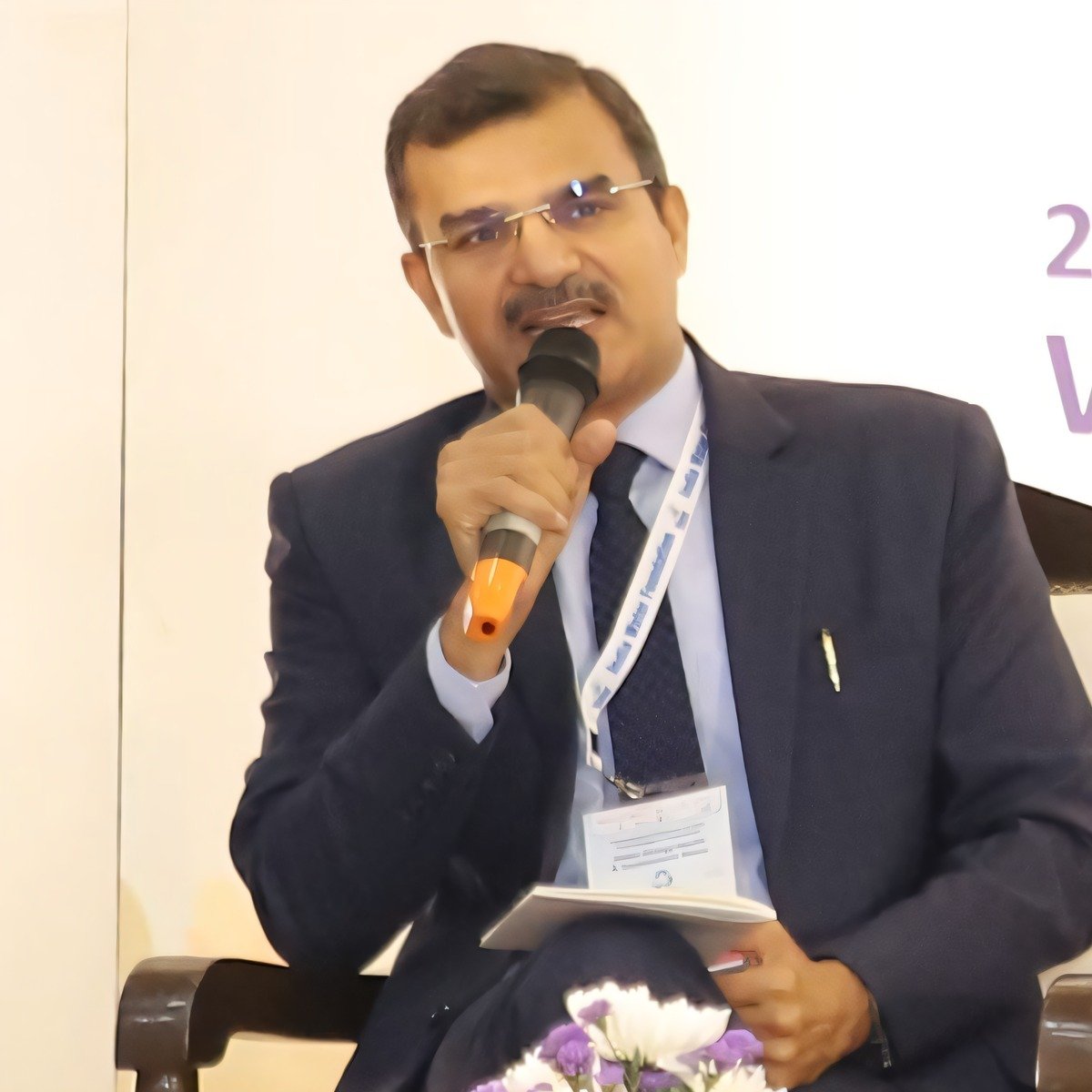
Mr. Ranjeet Pandey — Chairman, ESG & Sustainability Board, ICSI
Mr. Ranjeet Pandey

Chairman, ESG & Sustainability Board, ICSI

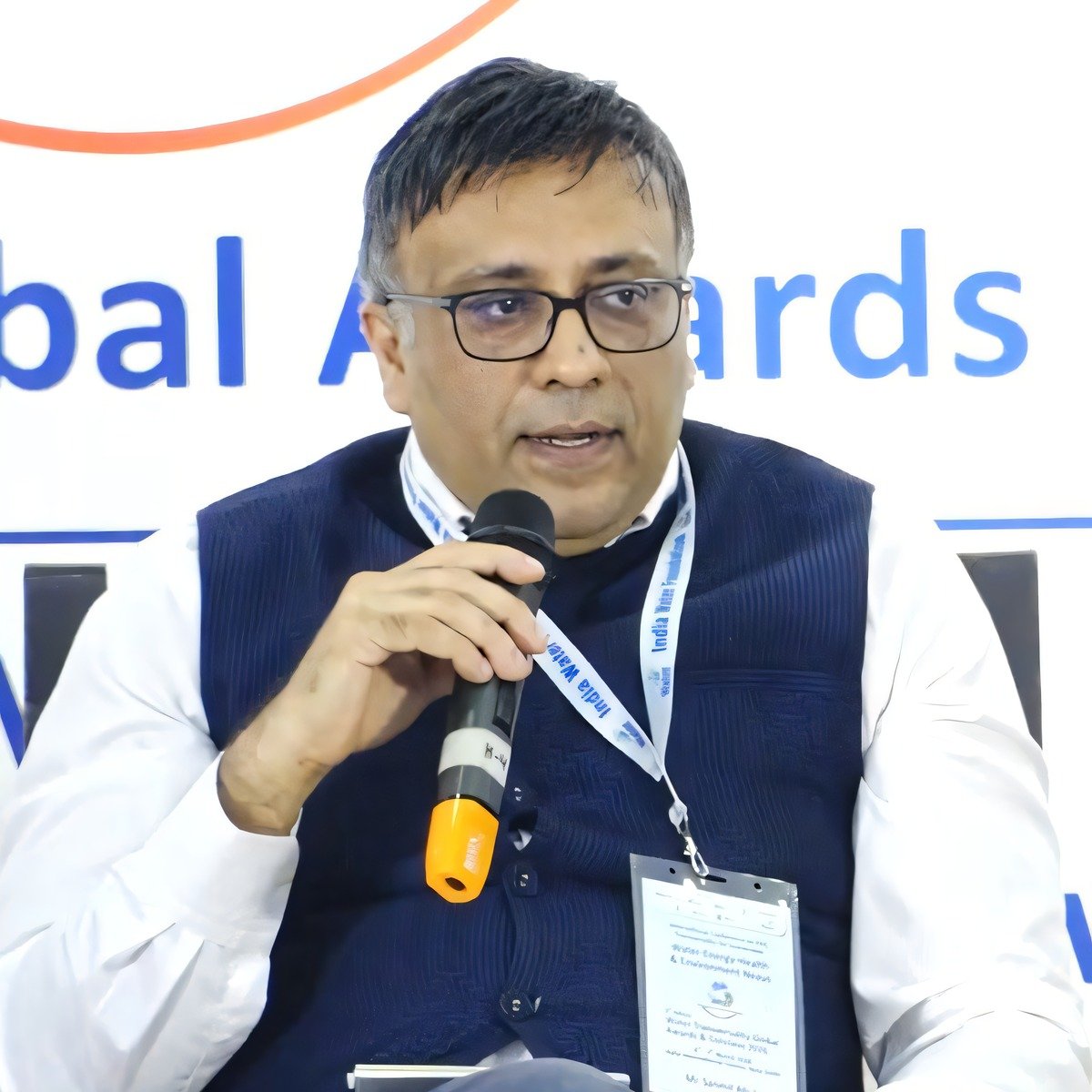
Mr. Sanmit Ahuja — Director, CETFI

Mr. Sanmit Ahuja

Director, CETFI

Ms. Surabhi Gupta — Chief General Manager, Securities Exchange Board of India
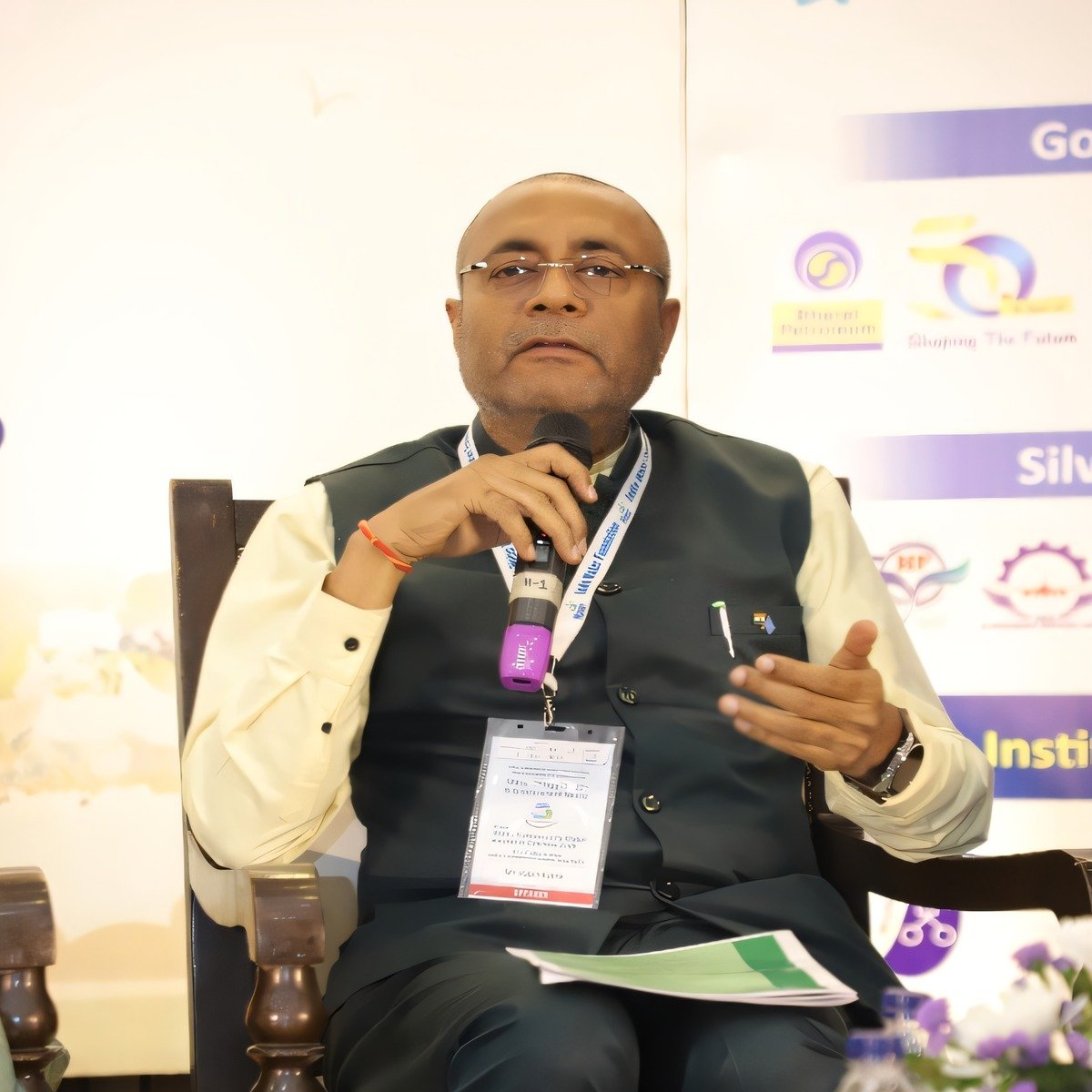
Ms. Surabhi Gupta

Chief General Manager, Securities Exchange Board of India

Dr. Rajan Sudesh Ratna — Chief Advisor, India Water Foundation; Former Deputy Head, UN ESCAP SSWA
Dr. Rajan Sudesh Ratna

Chief Advisor, India Water Foundation; Former Deputy Head, UN ESCAP SSWA